
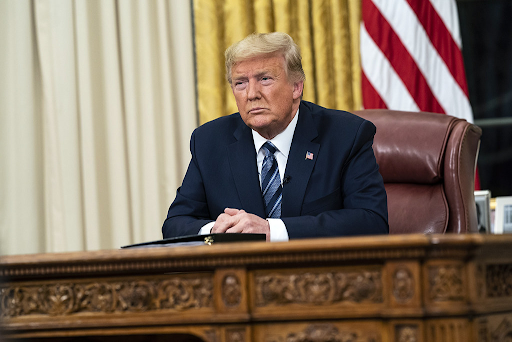
Donald Trump has officially put a freeze on any Israeli plans to annex the West Bank, declaring from the Oval Office that he “will not allow it.” This definitive statement effectively halts the momentum that had been building within the Israeli government’s far-right factions to extend sovereignty over the territory.
The freeze was announced at a diplomatically sensitive moment, with Israeli Prime Minister Benjamin Netanyahu en route to New York for a UN address. He now faces the cold reality that his government’s expansionist ambitions have been put on ice by its most crucial ally.
The decision to impose this freeze follows a period of intense international diplomacy aimed at averting a crisis. Allies like the UK and France, after recognizing Palestine, were worried about a retaliatory move from Trump. Their concerns, amplified by urgent warnings from Arab nations, were communicated forcefully to the White House and appear to have been heeded.
The plan being frozen is one of the most controversial in the world: the formal absorption of the West Bank, home to 700,000 Israeli settlers. Such a move is seen by most of the international community as a violation of international law and a final blow to Palestinian statehood aspirations.
This policy freeze is also occurring as the US is trying to thaw relations in another part of the conflict: the Gaza Strip. The administration is promoting a 21-point peace plan to end the nearly two-year war. By freezing action on the West Bank, US diplomats may hope to create a more stable environment for the delicate Gaza talks to proceed.