
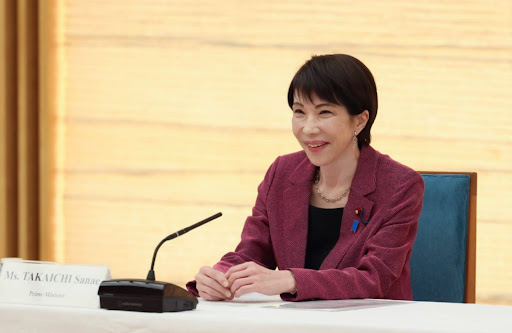
Japan’s biggest-ever strategic oil reserve release — approximately 80 million barrels to domestic refiners from Thursday — comes as the energy shock triggered by the US-Israel conflict with Iran ripples from refineries to retail shelves, affecting everything from gasoline prices to consumer perceptions about the availability of toilet paper. Prime Minister Sanae Takaichi confirmed the historic deployment in a social media post, even as the trade and industry ministry worked to reassure panicked consumers and industry groups confirmed the security of domestic supply chains. The breadth of the crisis’s social impact is complicating an already difficult energy management challenge.
Japan imports more than 90% of its crude oil from Middle Eastern suppliers, and the Strait of Hormuz is the essential corridor for these deliveries. The US-Israel conflict with Iran has disrupted tanker traffic through this passage, creating immediate supply concerns for a country whose entire economic machinery depends on steady oil deliveries. The 80 million barrel reserve release — 45 days of national demand — is designed to fill the supply gap while the diplomatic situation develops.
At 1.8 times the volume of the previous record deployment following the 2011 Fukushima disaster, the current release sets a new benchmark for Japan’s use of its petroleum reserves. Japan’s total reserve base of approximately 470 million barrels — equivalent to 254 days of consumption — ensures that this deployment, while historic in scale, does not threaten the country’s longer-term energy security. Officials say further releases are available if required.
Retail fuel prices have been stabilized through government subsidies capping gasoline at approximately ¥170 per litre, down from a record ¥190.8. These will be reviewed weekly. Consumer goods supply chains have also been reassured, with industry bodies confirming that Japanese production of household essentials like toilet paper remains unaffected by Middle Eastern oil disruptions.
Takaichi has managed the international dimensions of the crisis with characteristic firmness, declining military involvement while pursuing active diplomacy. Her principled rejection of Trump’s Hormuz naval deployment request, grounded in Japan’s pacifist constitution, has been clear and consistent. Japan’s comprehensive response — from refineries to retail shelves, from reserve deployment to diplomatic engagement — is a demonstration of national resilience in the face of an extraordinary challenge.