
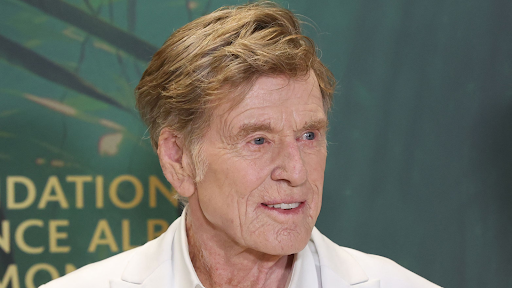
With the death of Robert Redford at 89, cinema has lost one of its most iconic faces. For a generation, his was the face of the movie star—a perfect composition of classic good looks, intelligent eyes, and a smile that could convey both charm and melancholy. His passing feels like a final, poignant close-up on an unforgettable era.
This face dominated the screen in the 1970s, particularly in romantic roles that made him a global phenomenon. In The Way We Were, his every expression as Hubbell Gardiner was scrutinized by audiences. His subtle glances and weary smiles told a story of love and compromise that dialogue alone could not capture.
In Out of Africa, that same face, now more weathered and rugged, was set against the stunning backdrop of the Kenyan wilderness. As Denys Finch Hatton, his gaze held both a love for the land and a deep, soulful connection with Meryl Streep’s character. It was a face that could carry the weight of an epic romance.
But Redford knew that a face, no matter how famous, was not enough. He was famously wary of being defined by his looks and sought to build a career of substance. He stepped behind the camera to become an Oscar-winning director and dedicated himself to fostering new talent through Sundance, proving the mind behind the face was even more remarkable.
As we remember Robert Redford, it is that iconic face that will first come to mind. But his true legacy is richer and deeper. It is the legacy of an artist who understood the power of the cinematic close-up but dedicated his life to stories that had a much wider, more meaningful view.