
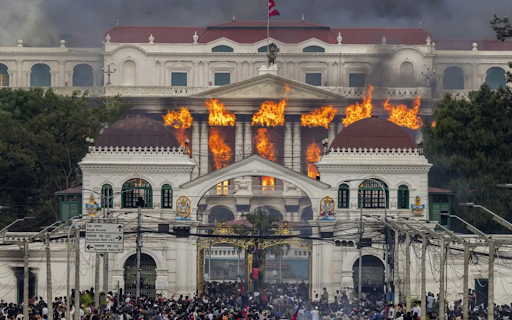
The path from quiet discontent to violent uprising in Nepal followed a tragically classic pattern of political escalation. A foundation of chronic social and economic problems, left unaddressed, was aggravated by a provocative government action, transforming passive frustration into active, physical rebellion.
The initial stage was one of widespread but largely disorganized discontent. The primary drivers were a 20% youth unemployment rate and a deep-seated public anger at government corruption. At this stage, the frustration was real but lacked a single, unifying focus. It was a problem of mood and atmosphere rather than a coherent movement.
The situation began to escalate as the government’s perceived arrogance grew. The flaunted inequality between the elite and the masses, combined with a continuous stream of corruption scandals, hardened public opinion. Discontent began to curdle into a more potent and focused anger, directed squarely at the political establishment.
The final stage of escalation was triggered by the social media ban. This act of censorship was the catalyst that transformed a discontented populace into an active uprising. It provided a clear, unambiguous symbol of oppression and unified disparate groups against a common enemy. The violence that followed was the final, tragic step on a well-trodden path from grievance to rebellion.