
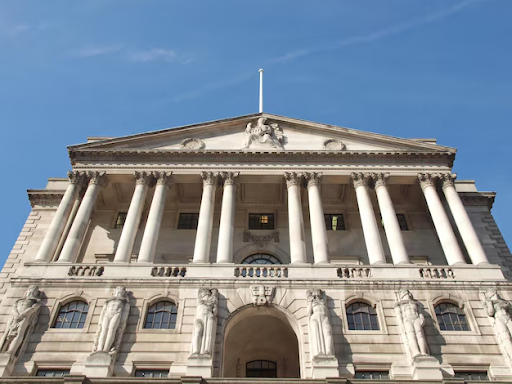
The Bank of England has maintained interest rates at 3.75%, with skills shortages creating complex labor market dynamics that complicate monetary policy. Mismatches between worker skills and employer needs affect unemployment and wage inflation simultaneously.
The monetary policy committee’s 5-4 vote addressed an economy where unemployment rising to 5.3% might coexist with skills shortages in specific sectors. This creates unusual dynamics where some workers struggle to find jobs while employers can’t fill vacancies, driving wage inflation in some areas.
Skills mismatches reduce the economy’s capacity to grow without inflation. Even with unemployment at 5.3%, businesses in sectors facing shortages might drive up wages, creating inflation pressure. This reduces the amount of economic slack suggested by the unemployment rate alone.
Monetary policy can’t directly address skills shortages—that requires education and training policies. However, the Bank must assess whether current unemployment provides inflation-fighting capacity or whether skills mismatches mean the labor market is tighter than headline numbers suggest.
Governor Bailey’s projection that inflation will fall to around 2% by spring incorporates assumptions about wage growth moderating. If skills shortages prevent this moderation in key sectors, inflation might prove stickier. The GDP forecast of 0.9% partly reflects capacity constraints from skills mismatches limiting growth. Higher employer costs from national insurance increases might reduce training investment, worsening skill shortages longer-term. Chancellor Reeves’s budget measures, including utility bill cuts and rail fare freezes from April, don’t directly address skills but support household purchasing power. Inflation at 2.1% by mid-2026 assumes skills mismatches don’t generate persistent wage-price spirals in shortage sectors.