
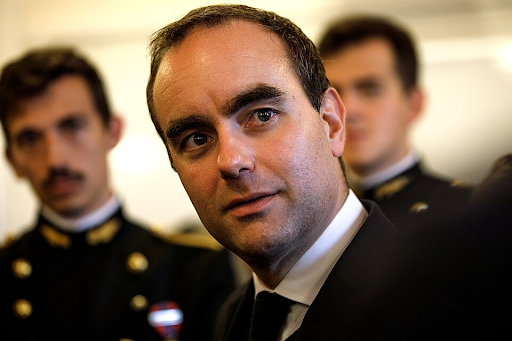
The political firestorm that consumed Sebastien Lecornu’s government was not just a product of parliamentary maneuvering; it was fueled by a broader “Age of Rage” in France. Deep public discontent with the political and economic status quo has created a volatile atmosphere where any spark can ignite a massive explosion.
Years of economic hardship, social division, and a perception that the political elite are disconnected have cultivated a powerful undercurrent of public anger. This rage is a constant source of energy for opposition parties, who can tap into it to mobilize against the government.
The announcement of Lecornu’s “largely unchanged” cabinet was the spark that lit this fuse. For a public furious with the current state of affairs, this was seen as a profound insult, a sign that their anger was being ignored. It confirmed their worst suspicions about an arrogant and out-of-touch government.
The opposition parties skillfully channeled this public rage into a focused political attack. Their claims of an “illegitimate” government resonated so powerfully because they aligned with the pre-existing anger of a significant portion of the population. They were simply giving voice to a rage that was already there.
Lecornu’s resignation is therefore not just a victory for the opposition, but a victory for this public rage. It demonstrates that in the current climate, popular discontent is a major political force, capable of toppling governments and shaping the destiny of the nation. Any new leader will have to find a way to appease this anger or risk being consumed by it as well.