
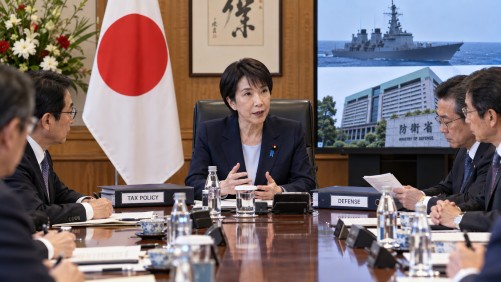
Japan’s reshuffled Cabinet is set to tackle a series of pressing challenges that could significantly impact its economic policies and international relations. With Prime Minister Sanae Takaichi at the helm, the government plans to introduce measures aimed at easing living costs through reduced consumption taxes on food and income-linked cash payments. This legislative push is scheduled for an extraordinary Diet session in early October, yet it faces hurdles due to the ruling coalition’s lack of a majority in the Upper House.
In a strategic move, Finance Minister Satsuki Katayama has been retained to lead efforts on the proposed tax and assistance legislation. The government’s agenda also includes a significant political reform—reducing the number of Lower House seats—which addresses a key demand of the coalition partner, Nippon Ishin.
On the international front, Foreign Minister Toshimitsu Motegi and Defense Minister Shinjiro Koizumi continue their roles as Japan navigates complex diplomatic waters. Maintaining stable relations with China and the United States remains a priority, especially in light of ongoing tensions related to Taiwan. Prime Minister Takaichi is expected to represent Japan at the Asia-Pacific Economic Cooperation summit in Shenzhen, China, in November, underscoring the importance of these diplomatic efforts.
Japan’s national security strategy is also under review, with plans to revise three crucial documents by the year’s end, including the National Security Strategy that shapes foreign and defense policy. This review comes amid debates over increasing defense spending and the challenge of financing it without burdening the public further.
Furthermore, Takaichi is pushing for constitutional reform, although the preparation of specific amendment proposals has seen limited advancement. This reflects an ongoing struggle to balance domestic reforms with the demands of coalition politics and international diplomacy.