
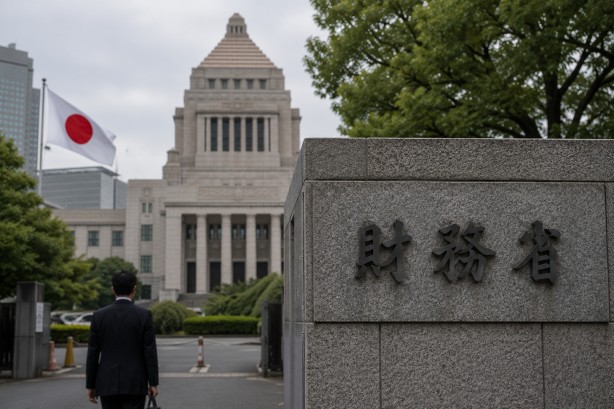
Japan’s government has made only modest headway in its latest efforts to reassess corporate tax incentives. After examining around 120 tax measures with input from various ministries and agencies, just one tax break has been slated for removal. This move is part of a broader initiative to cut down on inefficient government spending and to secure funds for anticipated tax relief measures.
The initiative called on ministries to evaluate the effectiveness of numerous special tax breaks. Yet, the majority of agencies stood by the existing incentives, even those with minimal usage, asserting they still align with long-term policy objectives. This defense of current incentives highlights the challenges facing the government as it seeks to streamline tax benefits.
Finance Minister Satsuki Katayama expressed dissatisfaction with the initial findings, describing them as falling short of expectations. She committed to conducting a more comprehensive review before the year-end negotiations, signaling potential changes ahead. The tax incentives under scrutiny currently result in approximately 1 trillion yen in tax reductions.
The Japanese government is in search of additional revenue sources to support a planned temporary cut in the consumption tax on food. This objective comes with the challenge of avoiding increased government borrowing, which adds urgency to the need for effective financial strategies. The ongoing review of tax incentives is a critical component of this broader fiscal strategy.