
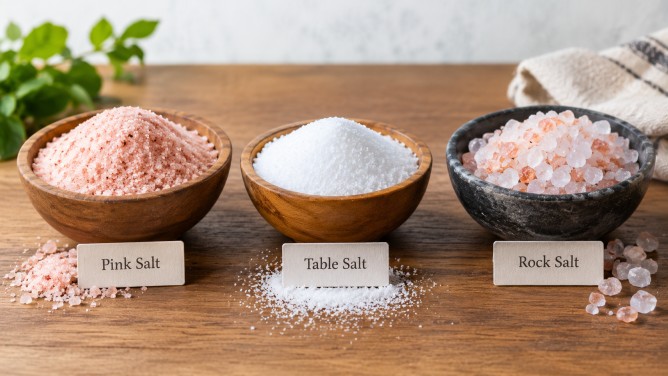
Understanding the iodine content in different types of salt is essential for maintaining thyroid health and supporting vital bodily functions. While pink Himalayan salt, traditional rock salt, and regular table salt are all popular in kitchens, their iodine levels can vary significantly, impacting your dietary choices.
Iodine is crucial for the thyroid gland’s production of hormones like thyroxine (T4) and triiodothyronine (T3), which regulate metabolism, energy use, and growth. Adequate iodine intake is particularly important during pregnancy and childhood to support brain development and growth. Since the body cannot produce iodine naturally, it must be consumed through diet, with iodised salt being a practical and affordable solution to prevent iodine deficiency.
Iodised table salt is often the most reliable source of iodine, provided it is clearly labeled as such. However, not all table salt varieties are iodised, so checking packaging is essential. Storage conditions and food preparation practices also affect the iodine content in salt. Despite its benefits, iodised salt should be consumed in moderation due to its sodium content, which can lead to high blood pressure if overused.
Pink Himalayan salt, known for its distinct color and natural appeal, does not inherently provide a consistent source of iodine unless specifically fortified and labeled. Its trace minerals, while present, are insufficient to replace a balanced diet. Similarly, rock salt, commonly used in Indian cooking, lacks a guaranteed iodine content unless fortified. Relying solely on non-iodised rock salt can lead to insufficient iodine intake unless the diet includes other iodine-rich foods.
To maintain optimal iodine levels, adults typically need around 150 micrograms daily, with increased requirements during pregnancy and breastfeeding. Besides iodised salt, iodine can be sourced from dairy products, eggs, seafood, and fortified foods. Individuals on vegetarian or vegan diets should be particularly mindful of their iodine intake and consider consulting a healthcare professional to ensure their dietary needs are met.
When choosing salt, prioritize products labeled as iodised if they are to be a primary iodine source. Store salt in a dry, covered container to preserve its quality, and adhere to consumption guidelines to avoid excessive sodium intake. Ultimately, selecting the right salt and maintaining a varied diet can support thyroid health and overall well-being.