
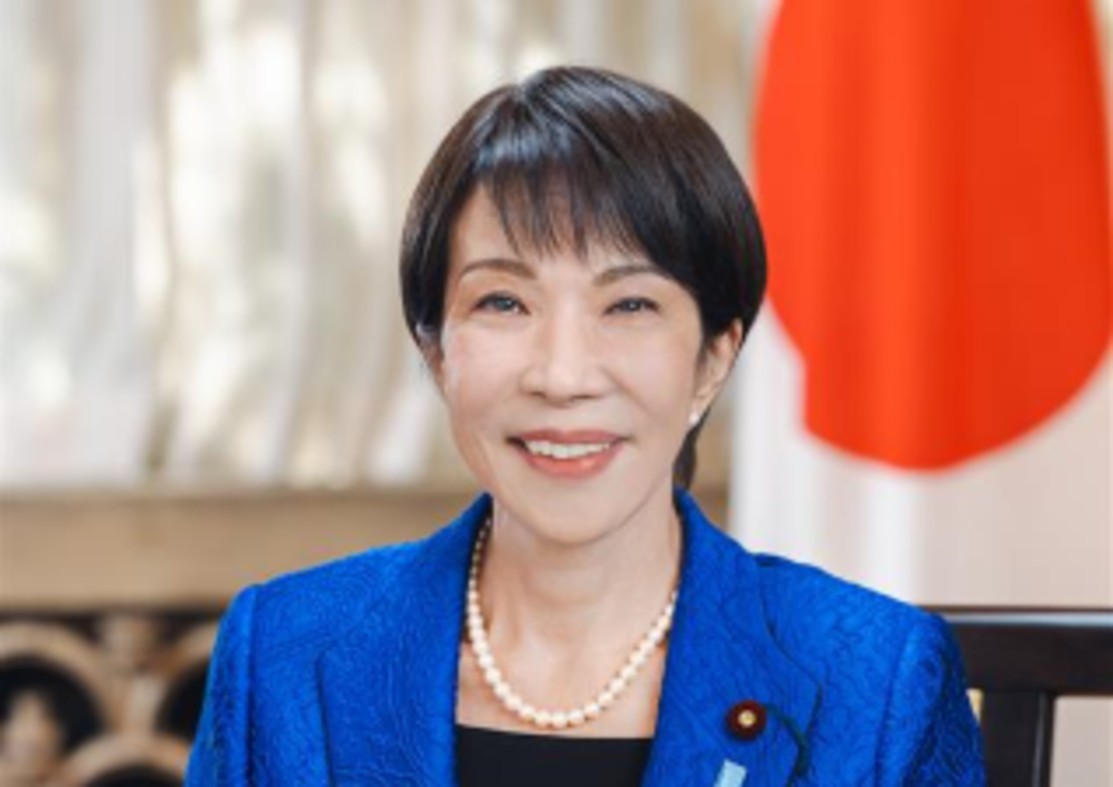
Prime Minister Sanae Takaichi’s recent visit to Okinawa has underscored ongoing strains between the Japanese central government and the prefecture concerning military base matters and security policies. A brief encounter with Okinawa Governor Denny Tamaki during her visit highlighted these challenges, particularly as the region approaches its gubernatorial election.
Governor Tamaki, a vocal opponent of the relocation plan for the US Marine Corps Air Station Futenma to Henoko in Nago, had sought a dialogue with Takaichi since her rise to the prime minister’s office. Although the two leaders met during a memorial service commemorating the Battle of Okinawa, the contentious base relocation was notably absent from their discussions.
With the gubernatorial election looming, political pressure is mounting. The ruling Liberal Democratic Party is strategizing to contest Tamaki’s leadership. However, there is hesitancy about directly involving Prime Minister Takaichi in the campaign, as party officials are wary that her firm stance on security could alienate certain voter segments.
Amidst Japan’s efforts to bolster its military presence in the southwest and enhance joint operations with the United States, concerns have intensified among Okinawa’s residents. The island’s community remains particularly sensitive to defense policy changes, given its history of wartime suffering. During the memorial event, Takaichi acknowledged the significant burden Okinawa bears from housing US military installations and committed to mitigating this load. Still, she reiterated the crucial role of US forces in ensuring Japan’s national security.
The debate surrounding military bases, peace initiatives, and Japan’s defense strategies is poised to continue dominating Okinawa’s political discourse. As these issues unfold, they are anticipated to significantly influence the region’s upcoming electoral outcomes and its broader relationship with the central government.