
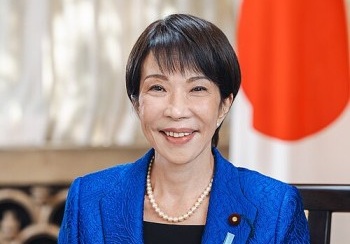
In a recent series of debates in the Diet, Prime Minister Sanae Takaichi emphasized her commitment to minimizing the issuance of deficit-covering government bonds for a supplementary budget aimed at mitigating the economic impact of the Middle East conflict. “We cannot allow any worst-case scenarios to jeopardize people’s livelihoods or economic activities,” Takaichi remarked on May 20, underlining her government’s cautious approach to fiscal management. Although she acknowledged the need for additional economic measures, Takaichi noted that discussions regarding the scale and specifics of the extra budget for fiscal 2026 have not yet commenced. She assured that surplus funds from fiscal settlements and other sources would soon be available to support the government’s efforts.
Previously, Takaichi had dismissed the necessity of an extra budget during Diet sessions. However, on May 18, she informed a government-ruling coalition meeting that she had directed Finance Minister Satsuki Katayama to explore the possibility of a supplementary budget. Junya Ogawa, leader of the opposition Centrist Reform Alliance, questioned the timing of her directives, suggesting they were belated. Takaichi refuted this criticism, asserting that her instructions were timely and consistent. During a debate with Yuichiro Tamaki of the Democratic Party for the People, she clarified that she had initiated a review of the extra budget before the Golden Week holidays in late April to early May, despite having previously stated on May 11 that the situation did not warrant immediate action.
The ongoing closure of the Strait of Hormuz has prompted companies to prepare for potential naphtha supply shortages. Snack manufacturer Calbee Inc., for example, has decided to use black and white packaging for 14 of its products, including its popular potato chips, due to unstable supplies of printing ink derived from naphtha. In response to these concerns, Takaichi’s administration has reassured that there is an adequate supply of naphtha overall, attributing current issues to supply-chain bottlenecks rather than an actual shortage. The government, led by Industry Minister Ryosei Akazawa, is committed to addressing these constraints effectively.
To alleviate the impact of high crude oil prices, the government is maintaining significant subsidies to keep the national average gasoline price around 170 yen per liter. Tamaki has advocated for extending these subsidies within the supplementary budget framework, suggesting an “exit strategy” to gradually increase the trigger threshold. Takaichi has expressed her openness to considering these proposals, emphasizing a strategic perspective in her response.
Additionally, Takaichi reiterated her intent to eliminate the consumption tax on food items, indicating plans to submit related legislation to the Diet. This initiative is contingent upon the national council on social security compiling an interim report expected before summer, underscoring the administration’s focus on supporting household finances amid ongoing economic challenges.