
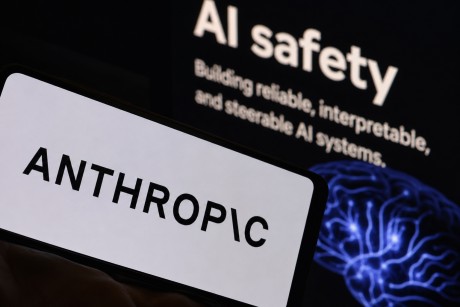
Anthropic has made a significant move in the realm of artificial intelligence advocacy by pledging an additional $20 million to Public First Action, a bipartisan group dedicated to promoting transparency and safety in AI, as well as educating the public. This latest contribution elevates Anthropic’s total donations to $40 million, underscoring the company’s commitment to addressing growing concerns about the swift progression of AI technologies and their potential misuse, particularly in relation to its own Claude Mythos model. The company has been clear that the funding is earmarked exclusively for public education and AI policy initiatives, not for supporting political candidates.
The timing of this announcement is notable as it coincides with intensified discussions in the United States over the regulation of advanced AI technologies. Anthropic has raised alarms about the need for more stringent safeguards as highly capable AI systems, if misused, could endanger critical infrastructure such as hospitals, power grids, and financial networks. This call to action is made in conjunction with the introduction of Claude Mythos Preview, Anthropic’s advanced AI model with a focus on cybersecurity, which is currently accessible to selected users in government, technology, and financial sectors.
Amid these developments, Anthropic is advocating for enhanced oversight of powerful AI systems. The company is pushing for mandatory independent testing and increased government authority to halt the release of models that do not meet safety standards. CEO Dario Amodei has also been vocal about the necessity for stricter export controls on advanced AI chips and measures to ensure that foreign entities cannot replicate leading US technologies.
However, not everyone agrees with Anthropic’s call for tighter regulations. Some competitors argue that such measures could hinder innovation and diminish the United States’ ability to compete in the global AI landscape, particularly against nations like China. This debate is taking place against the backdrop of the upcoming US midterm elections, with artificial intelligence emerging as a pivotal issue in policy and national security discussions.